Motion designer vs animator: what's the difference (and who do you need)?

table of content
If you’re here, you’re probably either trying to hire the right creative or you’re a creative figuring out what to call yourself. Animator? Motion designer? What’s the difference? The motion designer vs animator question comes up more often than you might think.
Either way, welcome. We’re Motion The Agency, and this is a conversation we’ve had more times than we can count. Our team is full of talented motion designers, and we’ve written about this before in Understanding Motion Graphics, Motion Design, and Animation.
This time, we’re going deeper by focusing on the people behind the work. What actually separates an animator from a motion designer?
Motion design brings graphic elements like text, icons, and UI to life. It’s often seen as a subset of animation, which covers a much wider spectrum—from character performance to cinematic storytelling in film and games. If you want to know more about motion design and motion graphics, you can check out our blog, What Is Motion Graphics?
So no, they’re not the same. And if you’re hiring, collaborating, or just trying to make sense of the creative roles around you, it’s worth knowing the difference.
What makes them different (and where they overlap)
In general, both fields rely on the same core animation principles. But the focus and purpose behind the movement are completely different.
An animator's goal is to use movement to tell a story and evoke emotion. It’s about performance, expression, and character-driven motion.
A motion designer, on the other hand, is focused on visual communication. Their work is more design-led, using movement to support clarity, and brand messaging. Between the two, motion design leans more into design than narrative.
What does a motion designer do?
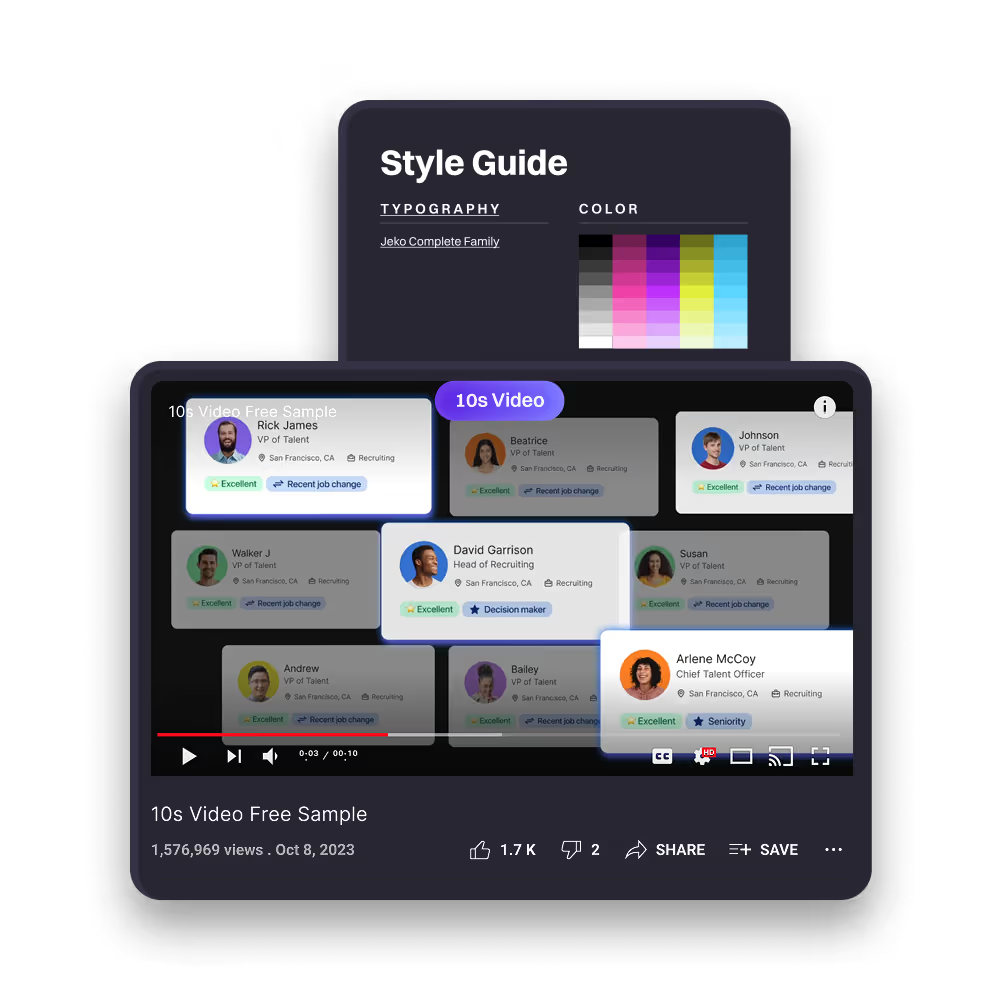
Motion designers are the ones bringing graphic elements to life, things like type, icons, UI, and branded visuals. The goal isn’t just to make stuff move. It’s about communicating clearly. You’ll usually find them working on marketing, product, or brand content where the design needs to be clean, functional, and engaging. It’s not really about telling a story. It’s more about helping people get the message or interact with something in a smarter way.
Now think about one of those slick ads that popped up on your feed and actually made you stop scrolling. The ones with bold type, smooth transitions, and tight visuals. That was probably a motion designer doing their thing.
What does an animator do
Animators specialise in movement-driven storytelling. They’re the people behind characters, creatures, and environments that feel alive. Their work relies heavily on emotion, timing, and physicality. Everything needs to feel believable, even when the style is exaggerated.
You’ll often find animators working in film, gaming, and other cinematic projects, where the goal is to create immersive, narrative-driven experiences. Your favourite cartoon growing up? Yeah, that was probably created by a team of animators, not motion designers.
Animation is the broader discipline, with motion graphics sitting as one style within it. But in practice, the tools, timelines, and creative goals can be very different. Each field requires a different mindset, and knowing which one you need depends on what you’re trying to create
Key differences at a glance
But is it possible to be both?
Well, technically, anything is possible—and yes, that includes this case. As we mentioned earlier, motion designers and animators share many of the same fundamentals, including timing, easing, and visual storytelling.
But while their foundations are similar, the way those skills are applied in real projects can be quite different. Motion design leans heavily into layout, typography, and clean visual communication. Animation, on the other hand, focuses more on movement, physics, character, and expressive performance.
For example, imagine they are both asked to animate a chicken crossing the street. An animator might focus on telling the story behind why the chicken is crossing and how it moves along the way. A motion designer would be more focused on making the action clear, visually engaging, and easy to understand.
The two disciplines are closely connected, but the intent behind them is different. Motion design is about communicating a message visually, while animation is often about telling a story over time. Being skilled in one does not automatically mean someone will be equally strong in the other.
The tools can differ too. Motion designers often work in After Effects, Cinema 4D, and Figma, while animators may work more extensively in Maya or Toon Boom, depending on the style and complexity of the project.
Which one does your project need?
Now, this is the question you need to ask yourself. What do you need?

Hire a Motion Designer when:
Projects handled by motion designers usually fall within marketing, tech, or product spaces. Think explainer videos, product promos, or launch content where UI elements, data, or features need to be animated clearly and on-brand. Motion design is design-led, which means storytelling and emotion aren't the priority. Instead, the goal is to communicate information clearly, guide attention, and make static visuals more engaging and functional.
Hire an Animator when:
On the flip side, hire an animator when you need to bring a character or mascot to life. This is where storytelling and performance really matter. If you're creating a short film, game cutscene, or anything that relies on realistic or expressive movement, you need an animator. Their work is about building emotional depth and narrative flow, the kind that connects with viewers on a different level.
Conclusion
Although they share many of the same fundamentals, motion designers and animators do very different jobs. One focuses more on design, clarity, and messaging, while the other focuses on storytelling, performance, and movement.
But one thing to remember is that neither role is more important than the other. Both require skill, craft, and a lot of hard work. And both play a major role in how we communicate visually today.
Whether you’re hiring, learning, or collaborating, understanding the difference can help you make the right creative choice. And if you already have a project in mind and want to learn more about what we can do, feel free to book a call with us.
We also offer a free sample, so you can see what we can create for your brand before committing to a full project.
Let’s create something great together.

Syarafina Kuswahyuni
Syarafina Kuswahyuni is a content marketer at Motion The Agency, where she covers explainer video production, motion design trends, and video marketing strategy for SaaS brands. She has worked alongside Motion's animation team on projects for clients including ClickUp, Apollo.io, and HackerRank

In just a few questions, get a tailored estimate for your next video project.



Contact Us
Ready to elevate your brand? Contact us for your
Free Custom Video Sample