
Make your website
as good as the product behind it


Trusted by billion-dollar enterprises and YC startups on Demo Day









Selected
web design projects
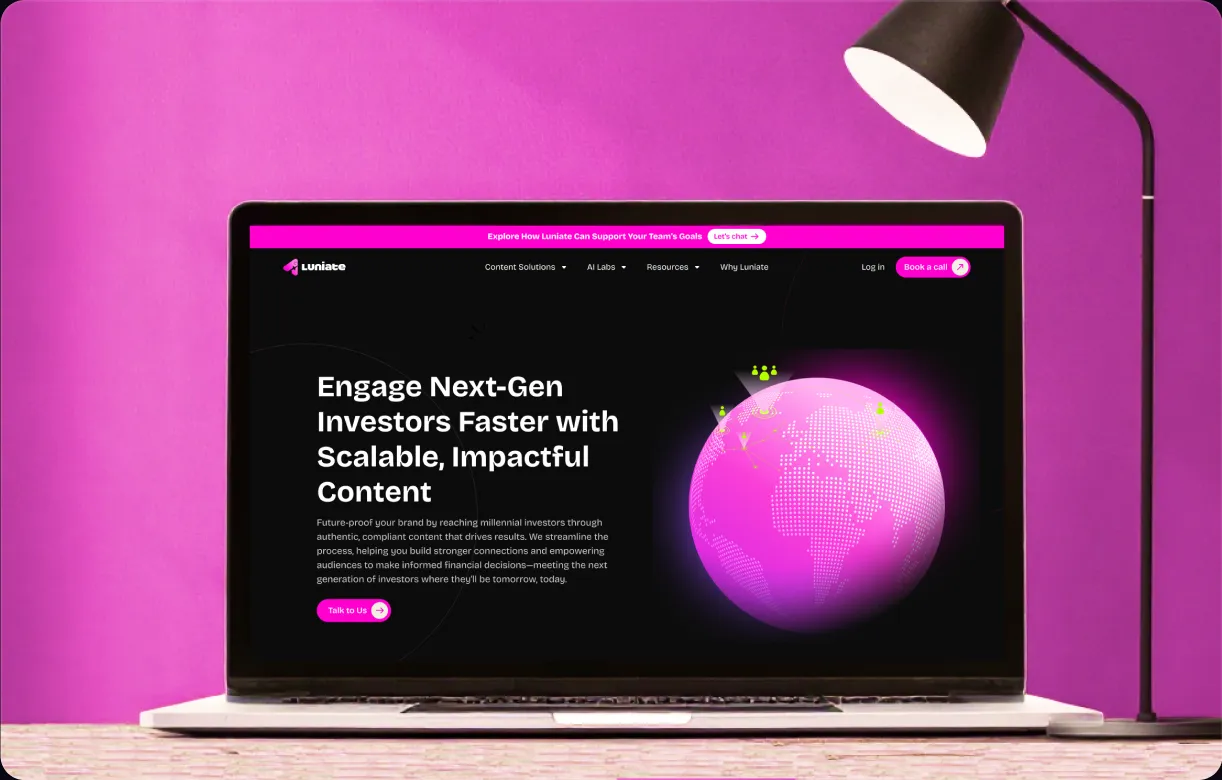
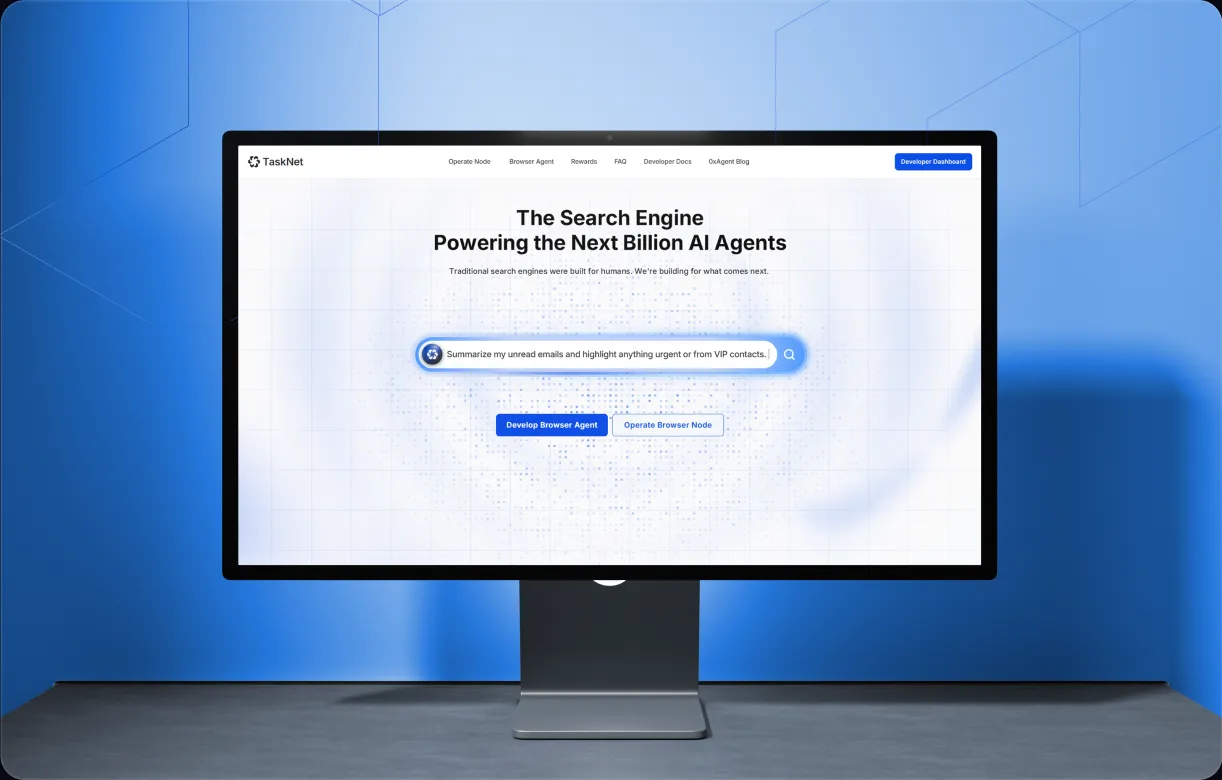
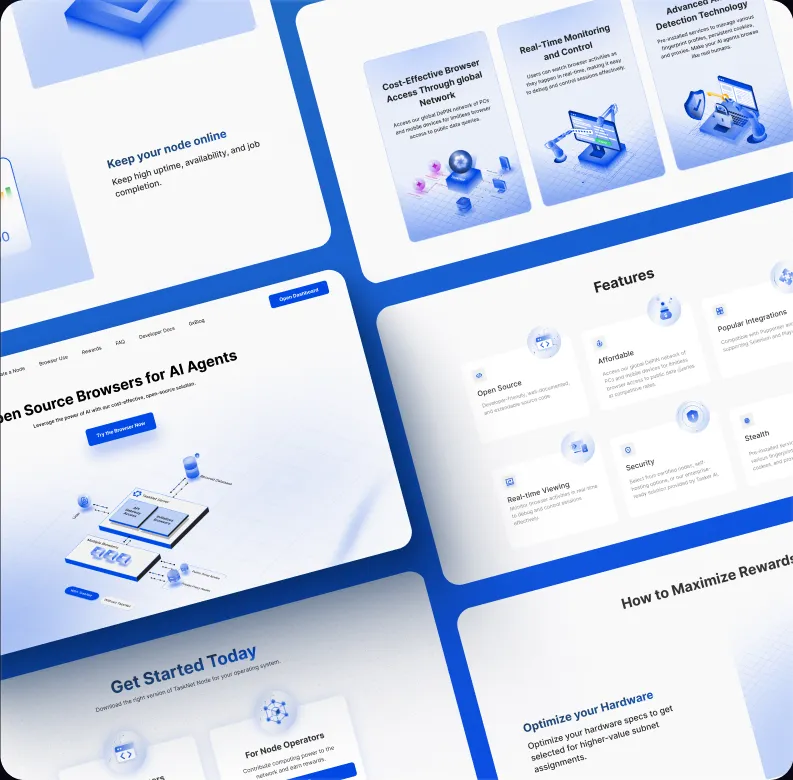
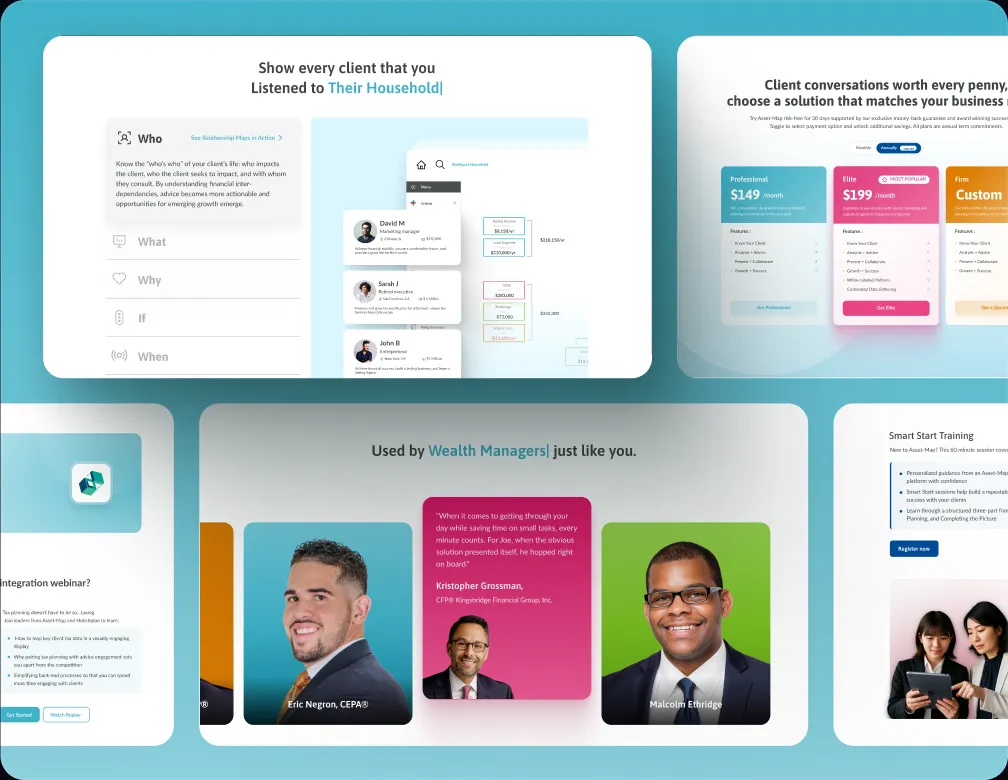
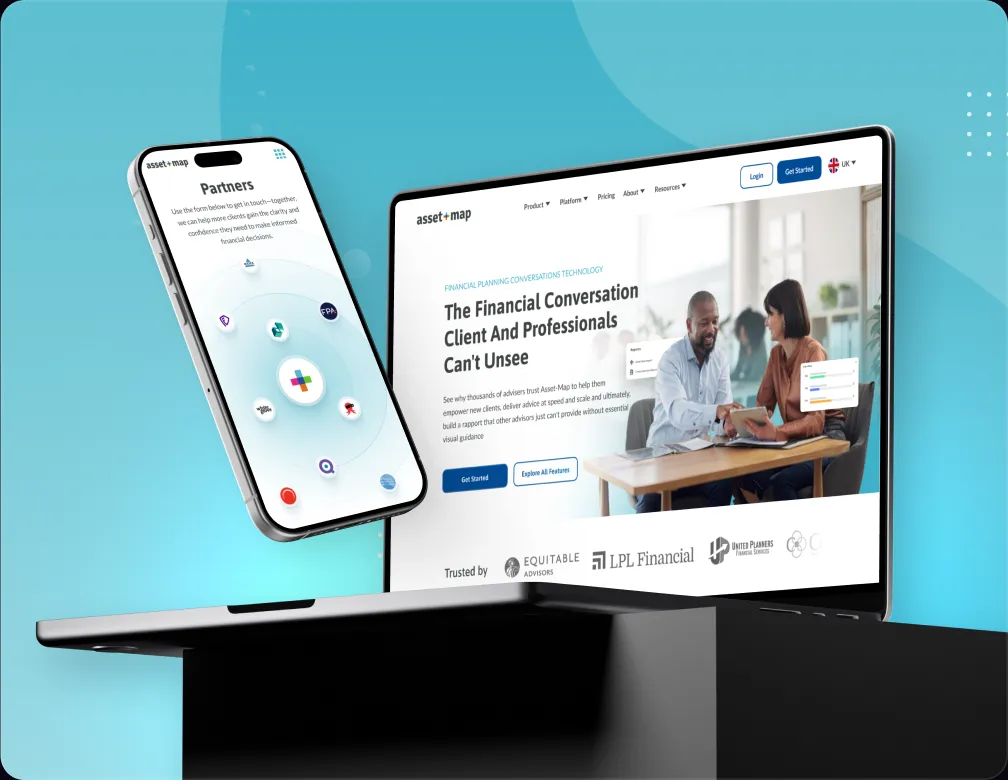
A trusted website design company
for your brand
200+
1,500+
190+






“Motion's process is extremely transparent, and excellent communication. They have consistently delivered top quality videos, often to impressive and tight deadlines, and have proven to be a reliable and trusted partner.”




"Motion has been an incredibly reliable creative partner. They move fast, adapt to feedback, and bring ideas to life. Their collaborative approach feels like part of our team, and quick-turn video production makes them easy to work with."

" I've worked with the MTA team twice. The collaboration, output, and timeliness of delivery has been great both times. We'd definitely work with the team again and recommend anyone to do so too.”
Show the product
before you describe it



Want to see how
your homepage could look?
Everything included
in our
web design and redesign services



-
Day 1 to 2
Free sample
Request a sample and we design a custom homepage concept from the messaging on your current website, so you can see our work before you commit. -
Week 1
Discovery
We learn about your product, your buyers and your goals, and review what your current website does well and where visitors drop off. -
Week 1
Structure
We plan the sitemap and page layouts, so you can agree what each page says before any design starts. -
About 3 days a page
Design
We design each page in your brand, with the copy, images and animation placed exactly where they will appear. -
Alongside design
Animation
We create the hero animation, UI motion and any explainer video, so the pages and the motion are made to fit each other. -
After approval
Build and test
We build the site, connect your CMS and test it on every screen size before launch. -
Ongoing
Launch and improve
We launch the site and keep adding pages, landing pages and changes as your product grows.

Choose the right SaaS
web design agency
| Comparison features |
|

|

|
SaaS web agency |
|---|---|---|---|---|
| Starting price | From $3,950/mo Website work inside your plan | $4,995/mo One flat monthly fee | From $15,000/mo Annual budget | $10,000 to $20,000+ Per project |
| Free custom sample | Yes Custom concept in 48 hours | No Paid trial week, 75% back | No Paid exploratory project | No Discovery call first |
| Animation and video for your site | Yes Lottie, UI motion and explainers | No No GIFs, video or 3D | Yes Motion and video in one budget | No Usually a separate supplier |
| Same team after launch | Yes New pages and changes every month | Yes Changes sent as new requests | Yes Ongoing work within your budget | No New quote for each change |
| No annual contract | Yes Pause or change your plan | Yes Pause or cancel anytime | No 12-month commitment | Yes One project, deposit upfront |
| Best for | SaaS teams that want their website, animation and video from one team | Founders happy with one designer | Enterprise teams with large budgets | One large website project with a fixed scope |
Choose how you want
to build your website
-
You have a defined brief
-
One off or occasional need
-
Want upfront cost clarity

-
You need output every month
-
Want a dedicated team
-
Predictable monthly budget

-
Campaign bursts, not every month
-
Want a team on standby
-
Large budget, flexible timing



Got questions?
We've got answers
We want to make sure you feel confident that our service is right for you. Here we’ve looked to address some commonly asked questions. If you have any more specific questions, don’t hesitate to get in touch with a member of the team.
We do both. The design work covers the structure, the page layouts, the visual design and the interface details, and the build covers turning that into a working, responsive site with a CMS your team can edit.
A full project usually runs through the same stages. We agree what the site has to do and who it's talking to, map the pages and the paths through them, design the key templates, build it, test it across browsers and screen sizes, then launch and hand over.
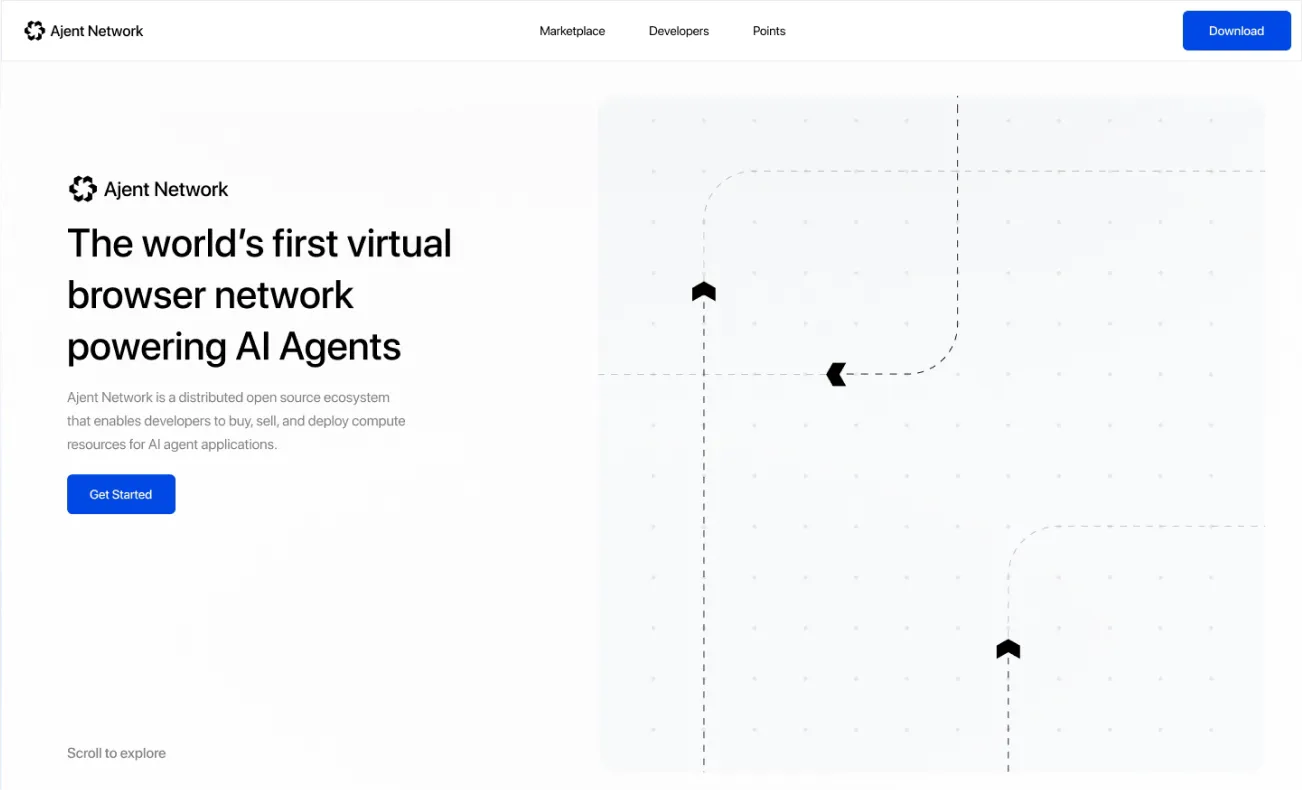
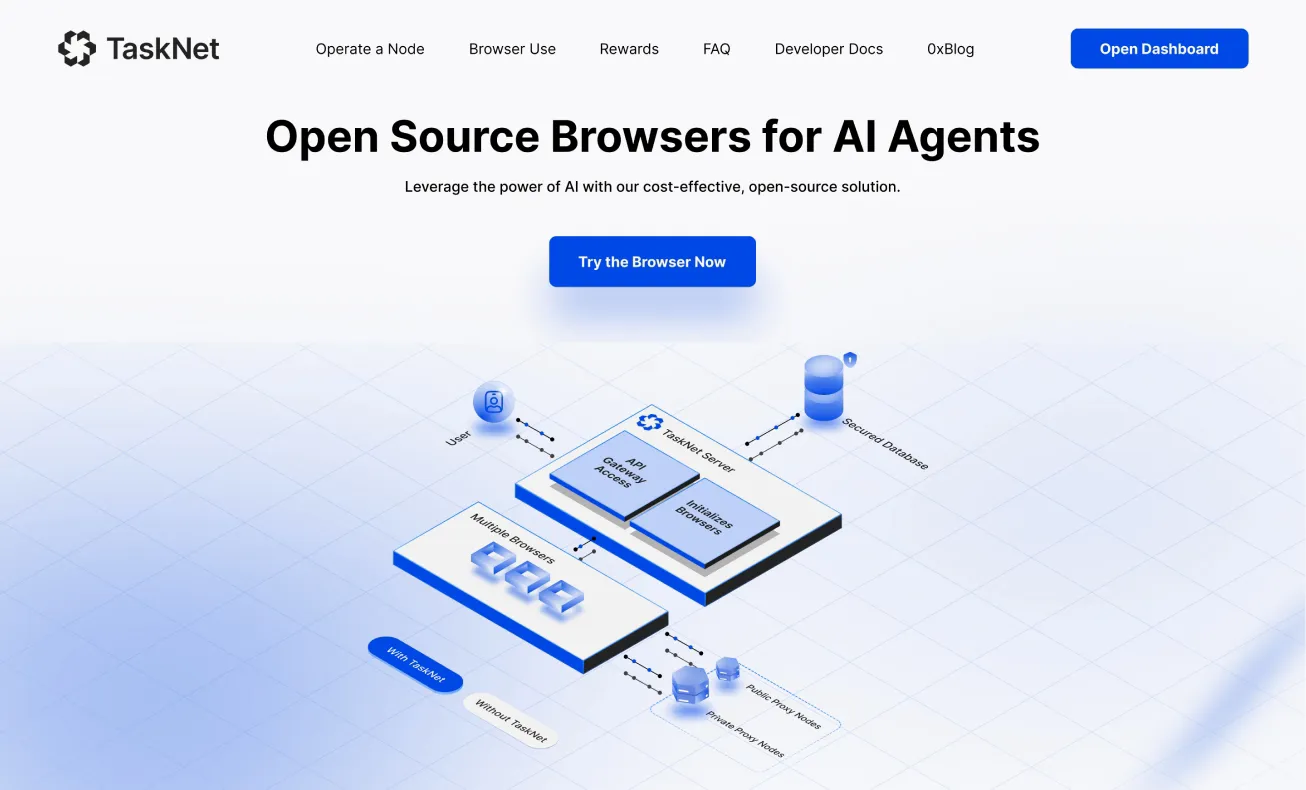
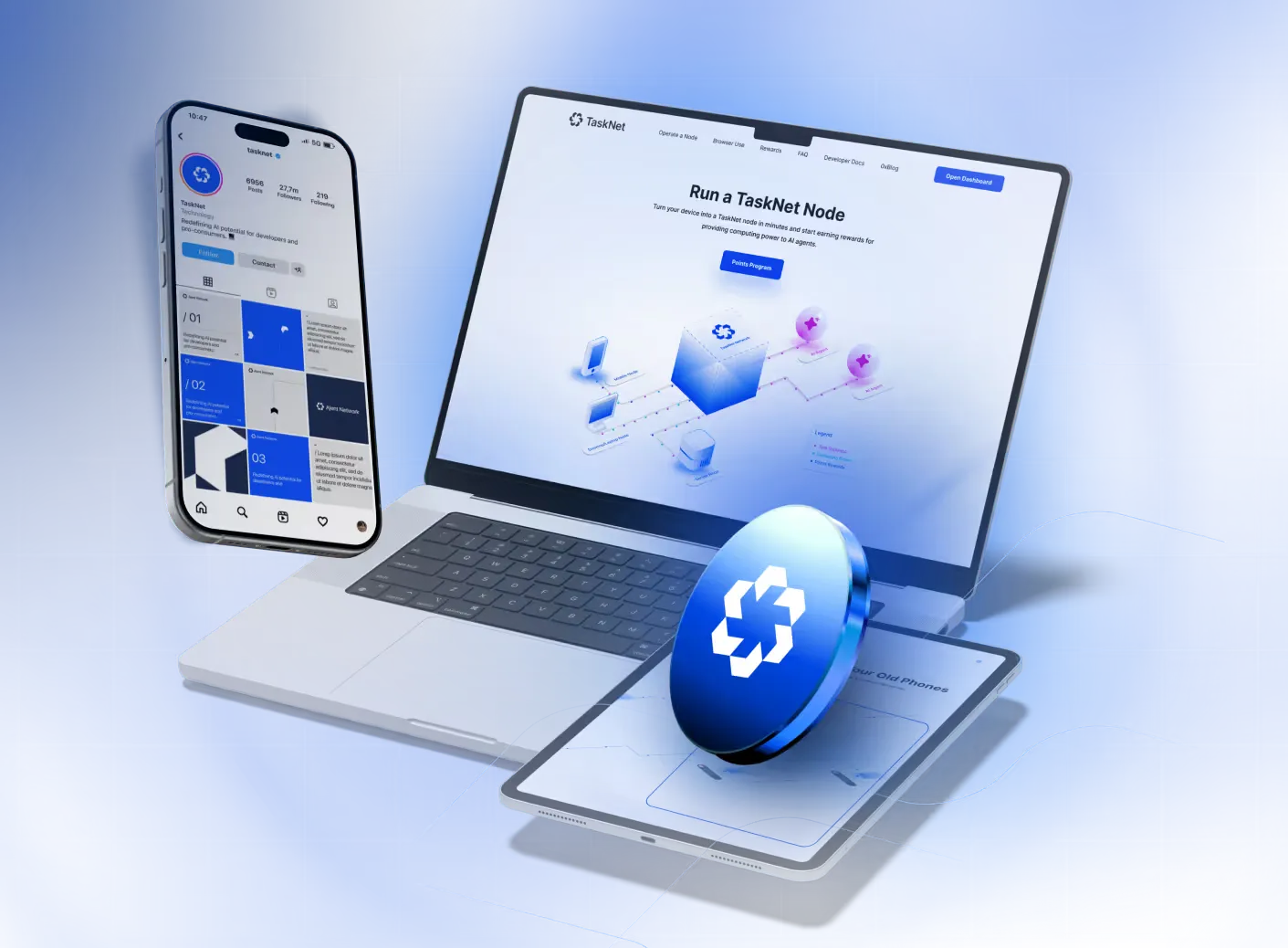
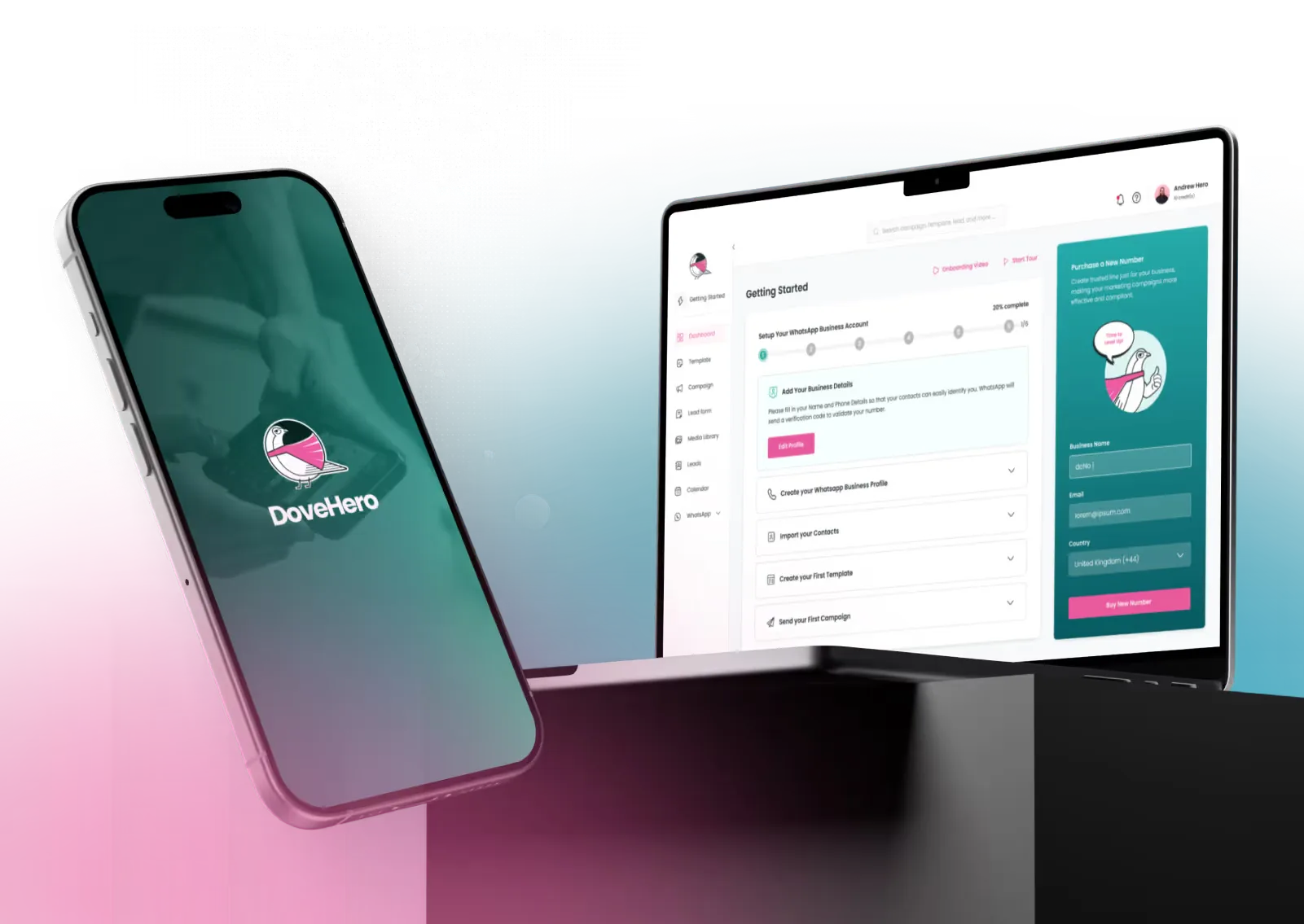
Scope varies more than people expect. A single landing page for one campaign is a different purchase from a marketing site with a blog, a pricing page and a customer stories section. For Dove Hero we built the site from the ground up alongside the web app screens, and for TaskNet we redesigned the homepage, the landing page, the rewards page and the features pages together.
Web design decides how the site looks and how someone moves through it. Web development is the code that makes it run, including the CMS, the responsive behavior and the page speed.
The split matters when you're buying. A design-only supplier hands you Figma files and your engineers build from them, which works if you have engineers with time. A development-only supplier builds what you give them, which works if you already have the design. Hiring one when you needed both is the most common way a website project stalls halfway.
We cover both, so there's no handover gap in the middle. If you have in-house developers and only want the design, that's fine too, and we'll build the files for the way your team works.
Someone should understand what your product does within a few seconds of landing, and there should be one obvious thing to do next. Most B2B sites fail on the first point, usually because the headline describes a category rather than a product.
After that it comes down to four things. Proof early rather than buried at the bottom, since a logo strip and a real customer number do more than another paragraph of copy. One primary action per page instead of five competing buttons. Speed, because a slow site loses people before the design gets a chance to work. And a layout that holds up on a phone, where a large share of your traffic reads it.
The part most companies underestimate is the product itself. A software product is hard to show in a static screenshot, which is why a short video or an animated interface on the homepage usually explains more than three sections of text.
A single landing page takes around a week, and a full marketing site usually runs four to eight weeks depending on the number of templates. Those timelines assume reviews come back inside a few days.
What slows projects down is almost always content and approvals rather than design. Copy that isn't written, screenshots that need updating, and a decision maker who joins at round three are the three most common causes of overrun. If you don't have the copy yet, say so at the start and we'll work in the right order.
Larger engagements take longer because they cover more than the site. TaskNet ran five months across a rebrand, the website, UI animations, an explainer video and social collateral, and Sharpish ran three months across the identity, the app screens, the website and an explainer.
Yes, and for most companies it's the better option. A redesign keeps what's working, which is usually your content, your URLs and your search rankings, and rebuilds the parts that aren't.
The honest test is whether the problem is the look or the structure. If people can find what they need but it feels dated, that's a visual refresh. If visitors can't tell what you do, or the pages don't match how you now sell, the structure needs rethinking and a new coat of paint won't fix it.
TaskNet is the clearest example of the second kind. The site was minimal and the product was complex, so the work went past styling into simplifying how the product was explained, alongside the rebrand it sat on.
Content changes are yours to make. Text, images, blog posts, case studies and anything else held in the CMS can be edited by your team without a developer.
Layout and structural changes are different. A new section, a new page template or a change to how a page is built needs design and development work, so those come back to us or go to your engineers. We set the site up so the things you'll change often are editable and the things you'll change rarely are fixed, which keeps the common case fast.
Tell us at the start which pages your marketing team will be updating weekly. That decides how much of the site gets built as editable components rather than fixed layouts.
Yes, though indirectly. Design doesn't create rankings on its own, and it decides several of the things Google measures, including page speed, mobile usability and how long people stay once they arrive.
The practical overlap is in four places. Page structure and heading hierarchy, which tell search engines what each page is about. Load speed, where heavy images and unnecessary scripts do most of the damage. Mobile behavior, since mobile is what gets indexed. And internal linking, meaning whether your service pages, blog articles and case studies actually point at each other.
A site that loses people in the first few seconds also loses the engagement signals that keep it ranking. That's the part worth fixing before adding more pages.
Yes, and it's the main reason companies bring a website to us rather than to a web-only studio. We make the animation and the site in one place, so the motion is designed with the page rather than dropped onto it afterwards.
That covers a few different things. Lottie animations for lightweight animated elements that stay sharp and load fast, UI animation for interface states and micro-interactions, scroll-triggered motion for explaining a product as someone moves down the page, and an explainer video in the hero where the product needs showing rather than describing.
Weight is the thing to watch. Animation that slows the page down costs you more than it adds, so we build to a file size budget and keep the heavy work out of the first load. Our comparison of Lottie and Rive covers the formats if your developers want the detail.
Yes, and that's usually what makes the difference on a website project. The brand, the site, the product screens and the video all come from the same team, so the site isn't reinterpreting someone else's work.
All three of our published website projects ran this way. Sharpish covered the brand identity, the mobile and web app screens, the website and a 2D animated explainer in one engagement. TaskNet covered a rebrand, brand guidelines, the website, UI animations, an explainer video and social collateral. Dove Hero covered the identity, the site, the web app design, Lottie animations and several videos.
This matters most on a launch or a rebrand. When the site, the brand and the first videos arrive at the same time from the same team, they match. When they come from three suppliers, the gaps show up in the first week.
A dedicated team rather than a rotating pool. That normally means a designer, a UI and UX designer, a developer, an animator when the site needs motion, and a project manager who is your single point of contact.
You'll be working with the same people throughout, which matters more on a website than on a one-off asset. A site takes weeks, goes through several review rounds, and involves decisions that are expensive to re-explain to someone new.
Ask this of any supplier before you sign. The team on the sales call is often not the team on the project, and on website work that's where quality quietly drops.
Yes. You get full commercial rights, the editable design files and access to the site itself, so your team or another studio can pick the work up later.
That matters more for a website than for most deliverables, because a site gets changed constantly. New pages, new sections and seasonal campaigns all need the original design files rather than a flat export.
Fonts and stock imagery are the exception worth knowing about. Those are licensed rather than owned, so we'll tell you what's licensed and under what terms before launch, and we'll suggest a freely licensed alternative where one holds up.
A defined website project is fixed price, starting at $3,480, and ongoing design work runs on a monthly subscription or on creative credits if you'd rather draw down a pool across web, design and video. What moves the number is the number of templates and how much is built from scratch.
Our three published website projects each came to $19,000, and each covered far more than a site. Sharpish was the identity, the app design, the website and an explainer over three months. TaskNet was a rebrand, the website, UI animations, an explainer and social collateral over five months. Dove Hero was the identity, the site, the web app design, Lottie animations and videos over twelve months.
A single landing page sits well below any of those. Tell us how many pages the site needs, whether the copy exists, and what you have to spend, and we'll scope it to fit rather than quoting a package you half need. All our pricing is published on the pricing page.
Decide first whether you're buying design, development or both, because that splits the market before anything else. Comparing a design studio against a full build team means comparing two different products at two different prices.
Then work out whether you need an agency at all. A website builder template is genuinely the right answer for a company with one page, no product to explain and nobody to maintain it. The reason B2B and SaaS companies outgrow that is the product, since a template can show what you sell and it can't explain how something complex works. If your site needs to carry a product explanation, that's a design problem rather than a template problem.
Once you're comparing like for like, four things separate suppliers. Whether they've built sites in your category, so you aren't paying them to learn it. Whether they can handle the content, meaning the product explanation and not just the layout. What you own at the end, including design files and commercial rights. And whether they'll show you something before you sign. Ask for live sites rather than Dribbble shots, and open them on a phone. Our comparison of the top digital design and creative agencies sets out how the market is structured, and we've worked with over 200 companies since 2019.
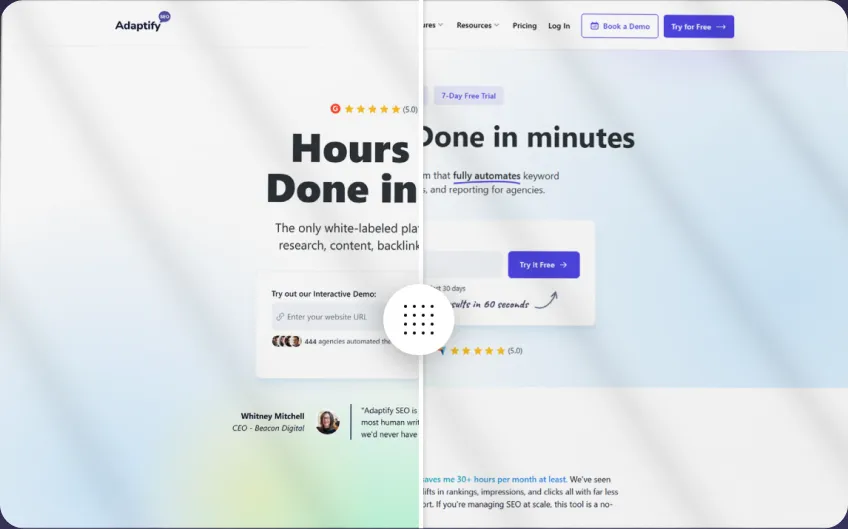
Yes. Send us your URL and we'll design a free sample based on the messaging on your site, back within 48 hours, and you never pay for it.
You don't need a brief or a call booked first. Most teams ask for the page they're least happy with, which is usually the homepage hero, and use it to judge the standard on their own brand before committing to a project.