Animation for B2B SaaS: why software companies choose it
table of content
TL;DR
- 52% of our clients were B2B SaaS companies selling software, while 79% were startups or scaleups.
- Animation helps make complex workflows, integrations, automation, and behind-the-scenes processes easier to understand.
- It shows buyers how the product fits into their day-to-day work, rather than simply showing where to click.
- Around 56% of the projects we reviewed were explainer videos, while 91% of SaaS and AI companies used animation in some form.
- Startups use animation to introduce and prove the product, while scaleups use it to keep their product story clear as they grow.
Introduction
Out of the 110 clients we worked with in 2025, we noticed a clear pattern in the companies coming to us. A large share were SaaS businesses, and more specifically, B2B SaaS companies selling software to other businesses. In fact, 57 clients, or 52%, fit that same profile.
We also noticed that these companies were more likely to choose animation-led video than other formats. And honestly, that makes sense. SaaS products are often digital, technical, and difficult to film, while buyers may need help understanding workflows, integrations, automation, or what is happening behind the interface.
That is why animation for B2B SaaS works so well. It gives these companies a clearer way to show what the product does, where it fits, and why it matters. For us, this pattern also helps explain why B2B SaaS has become one of the clearest client groups we work with.
Who are we? And who hires us?
We are Motion The Agency, a marketing video agency specialising in animation. We help companies turn complex products, services, and ideas into videos their audiences can understand more quickly.
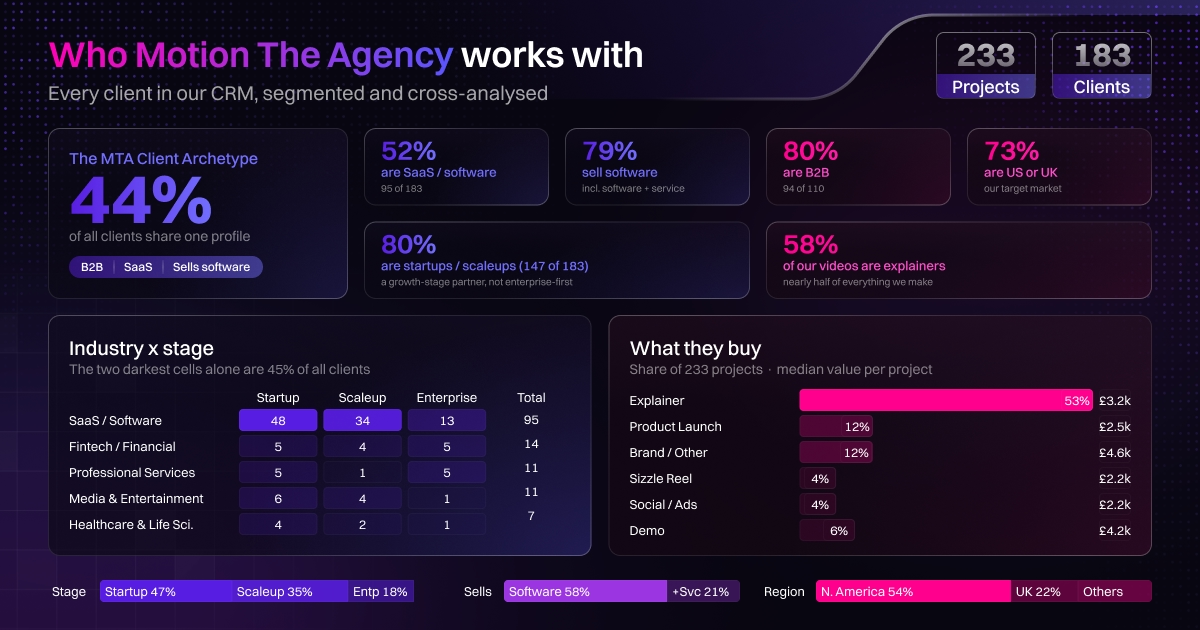
But the reason our client data matters is not simply because it shows who has hired us. It shows the kinds of products, audiences, and marketing challenges we work with most often. Looking across 183 clients and 233 projects, 52% of our clients are SaaS or software companies, 79% sell software, and 80% operate in B2B. When those characteristics overlap, 44% of our clients fit our core archetype: B2B SaaS companies selling software.
So, if you work for a B2B software company, the patterns in this article come from businesses facing many of the same challenges as you. They are trying to introduce unfamiliar products, make technical features easier to understand, and explain value to buyers who may not immediately see what is happening behind the interface.
We also found that 80% of our clients are startups or scaleups. That means much of our experience comes from helping growing companies explain a new product, support a launch, improve their sales material, or keep their product story clear as the business becomes more complex.
Of course, this data reflects our own client base rather than the entire SaaS market. But it still gives you something useful: a view of how companies similar to yours are using animation to make complex products easier to understand, believe, and buy.
Why B2B SaaS companies choose animation
We should acknowledge that our experience may be slightly skewed because animation is our main area of expertise. That said, not every project we work on is animation-led. We also create sizzle reels, UGC-style videos, and social media content depending on what the client needs.
During our early alignment meetings, we ask clients detailed questions about their product, audience, and marketing goals. One pattern comes up repeatedly: animation is particularly effective when a company needs to explain a complex system, workflow, or process. For SaaS businesses, where much of the product’s value happens behind the interface, animation can make those ideas much easier for buyers to see and understand.
Animation makes invisible software visible
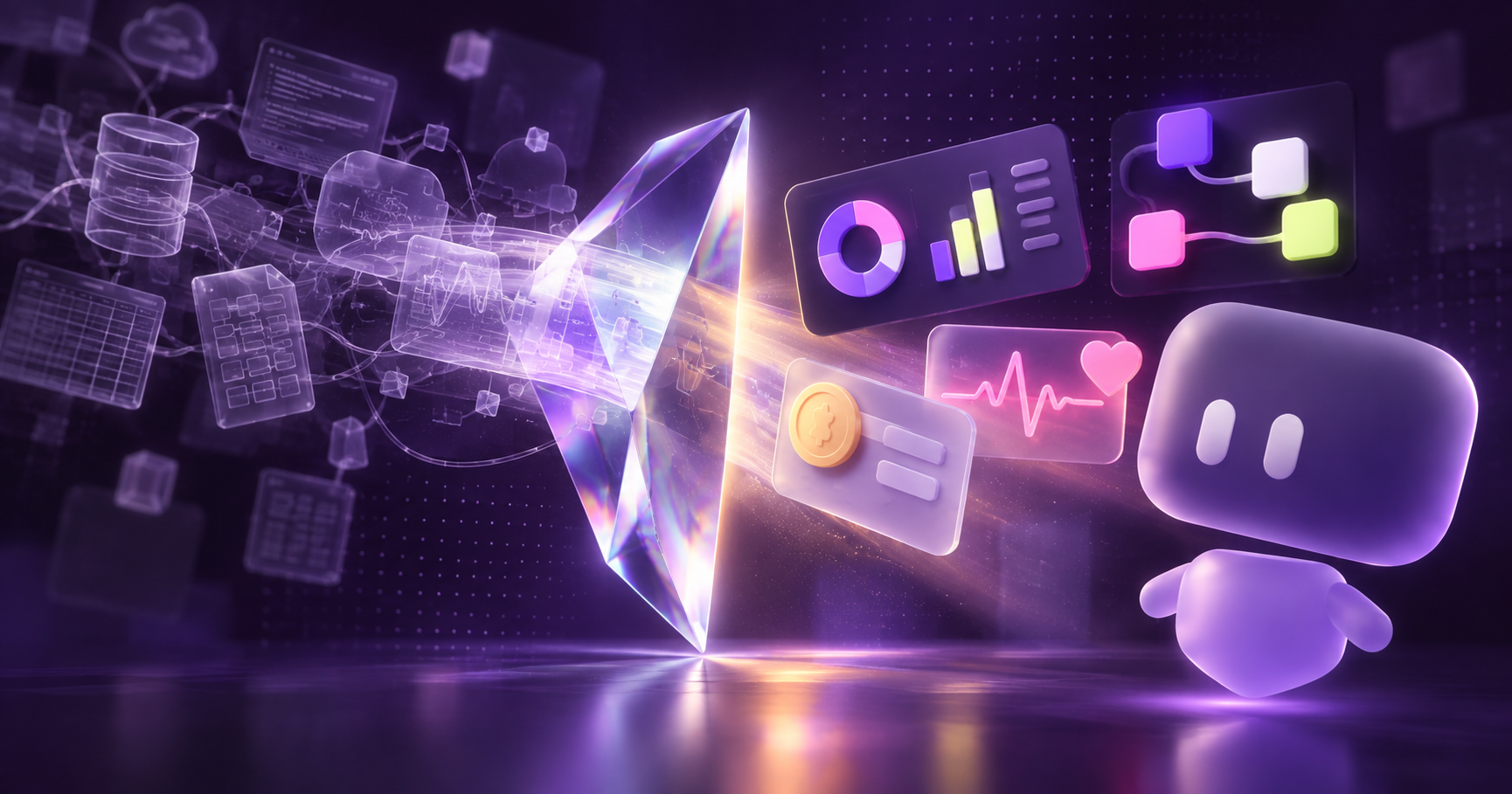
A lot of what makes a software product valuable happens behind the interface. You might be able to show the dashboard, but that does not always explain how the data moves, how different systems connect, or what the automation is doing in the background.
That is where animation helps. It can show the full process clearly, from one system to another, and help people understand what is actually changing because of the product. A screen recording can show where to click, but it does not always show what is happening behind the scenes or why it matters.
We saw this with BlueMatrix, where we used animation to explain broker influence scoring. It was not something that could be shown clearly through live action or a simple product walkthrough, so the animation helped turn a complex process into something much easier to follow.
Animation connects the product to everyday work
For B2B SaaS products, it is not enough to show people what the dashboard looks like. Buyers need to understand where the product fits into their existing workflow, what it replaces, and what gets easier once they start using it.
That is where animation really helps. Instead of only showing clicks, it can follow data moving between systems, show how different teams use the platform, or highlight how an automated feature removes a manual step. This makes it much easier for buyers to picture the product inside their own business.
And that matters even more in B2B, where several people may be involved in the buying decision. The product needs to make sense not only to the person using it, but also to managers, decision-makers, and other stakeholders. Animation helps turn an abstract SaaS product into something people can actually see working in their world.
Animation is easier to update as the product changes
SaaS products change all the time. New features are added, interfaces are updated, and the message behind the product keeps evolving. So, a video that works today may need a few changes six months from now.
With animation, that does not always mean starting again from scratch. Individual scenes, interface elements, voiceover lines, and on-screen text can often be updated on their own. The same assets can also be resized, localised, or adapted for different platforms and campaigns.
We saw this with GotPhoto, where we supported the team across dozens of content projects, many of them focused on feature updates. Because we already had the design and animation assets in place, we could reuse and adapt them for new videos instead of rebuilding everything each time. In some cases, the same animated elements could also be repurposed for completely different campaign needs.
That is what makes animation so useful for growing SaaS companies. You are not just creating one video. You are building a set of assets that can keep working as the product, campaigns, and audience grow.
What B2B SaaS companies usually make
Across the projects we reviewed, around 56% were explainer videos. That made explainers the most common format, which makes sense when many of the companies coming to us sell software that is technical, difficult to film, or hard to understand from the interface alone.
We saw an even clearer pattern among SaaS and AI companies. Around 91% used animation in their video marketing, while the remaining 9% chose mixed media, combining animation with things like live action, screen recordings, or existing footage.
What these companies usually need is more than a video showing where to click. They need something that explains what the product does, how it fits into the buyer’s workflow, and why it matters to the business. That is why explainer videos come up so often.
The format also changes depending on the company’s growth stage. For startups, around 46% of projects were explainers and roughly 23% were product launch videos. For scaleups, around 67% were explainer videos, showing a much stronger focus on keeping the product story clear as the company grows.
We explore this further in “Who Really Uses 2D Animation?”, where we look at the types of companies using 2D animation and what they are creating. The pattern here is clear: startups use animation to introduce and prove the product, while scaleups use it to scale and maintain a clear product story.
Conclusion: Working with a SaaS-focused animation studio
Looking back at our client data, one thing is clear: B2B SaaS companies are one of the biggest groups turning to animation, and it is easy to see why. Their products are often technical, intangible, and difficult to explain through a screen recording alone. Animation gives them a clearer way to show what the product does, how it fits into a workflow, and why it matters.
But choosing animation is only the first step. The real work is deciding what the audience needs to understand, which features belong in the video, how technical the message should be, and where the video fits in the buyer journey. A good SaaS video should also be built with the future in mind, so the same assets can be updated, reused, or adapted for product launches, social content, sales material, feature updates, and new campaigns.
At Motion The Agency, we bring experience with complex software products, B2B audiences, and the challenge of turning data, workflows, and product information into something clear. Our process is shaped around your product, audience, and goals, not a fixed template. Explore our **SaaS video services** or get a free video sample to see how your product could be explained more clearly.
FAQ

Sam Jupp
Sam Jupp is the founder of Motion The Agency, with over 11 years of experience in research and marketing. He specializes in leveraging creative animation and motion design to craft compelling brand narratives and writes insightful content on industry trends.

In just a few questions, get a tailored estimate for your next video project.



Contact Us
Ready to elevate your brand? Contact us for your
Free Custom Video Sample