3D Explainer Video for SaaS and Tech: Key Elements, Benefits, and Examples
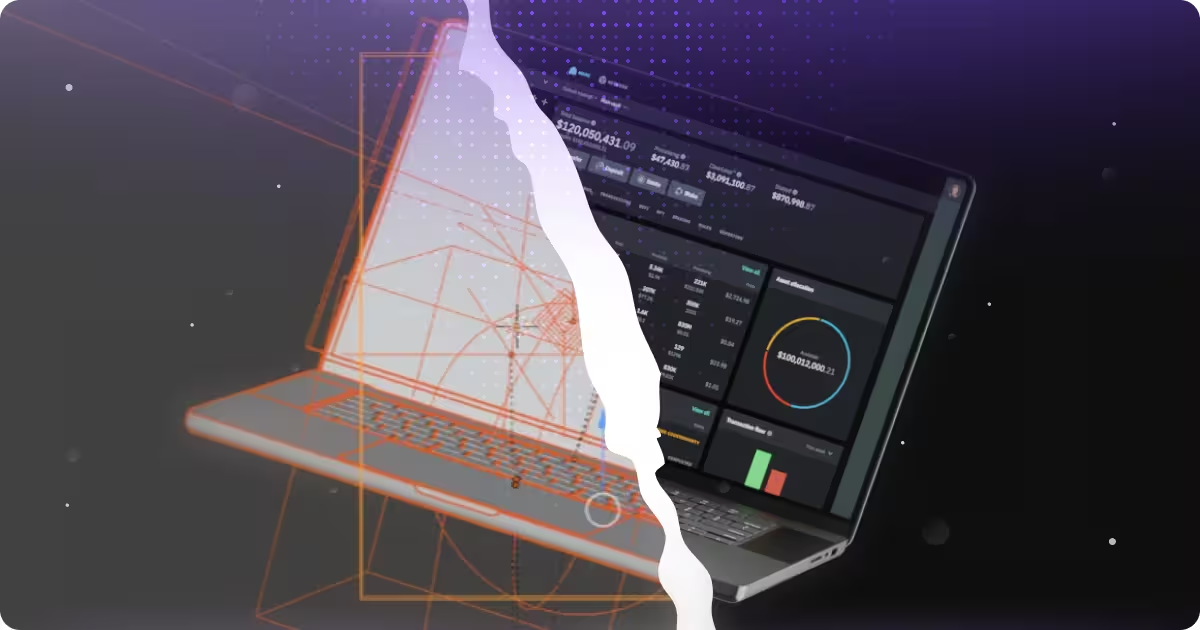
table of content
Key takeaways
- The foundation of any strong explainer video is clarity. Simple messaging, clean visuals, consistent branding, and smooth pacing make it easier for viewers to understand the point quickly.
- 3D animation enhances explainer videos by adding depth and realism. With 3D, you can rotate products, zoom inside components, and visualise internal processes that 2D or live-action cannot show effectively.
- A good 3D explainer video relies on storytelling, clean visuals, and strong pacing. The narrative should move from problem to solution, supported by polished 3D models, lighting, textures, and animation.
- The effectiveness of 3D depends on the product. Physical products often benefit from realism and breakdowns, while SaaS products may need conceptual or stylised 3D to simplify complex ideas.
A 3D explainer video does something that 2D and live-action can't. With 3D, you can rotate a product, zoom inside it, or show internal processes that would be impossible or too expensive to film in real life. For SaaS and tech companies especially, that kind of clarity makes a real difference when your product is complex but you need your audience to understand it fast.
If you’ve spent any time on our website, LinkedIn, or YouTube, you’ve probably noticed that we talk about “explainer videos” a lot. There’s a reason for that. It’s one of our core specialties, and fun fact, it’s also the reason Motion The Agency exists in the first place.
Our CEO, Sam Jupp, actually got into motion design and animation because of explainer videos. Back when he worked in sales, he noticed clients often asked the same questions again and again. The PDFs he sent would get buried in inboxes, and the information never landed the way it should. So Sam taught himself After Effects, created simple animated explainers to help communicate with clients, and those videos completely changed how he sold. And that’s where Motion The Agency began.
A good explainer video always starts with clarity. You want the message to be simple, easy to follow, and supported by clean visuals, consistent branding, smooth pacing, and solid sound design. When everything works together, the viewer doesn’t have to work hard to understand the point.
“Many studios focus too much on design aesthetics and sometimes overlook that SaaS or tech products often need to display a lot of information in a single frame. The result can be visually impressive but confusing.”— Waladun Sabiq, Senior 3D Animator
But when you bring 3D animation into the mix, there are a few extra perks that make 3D explainer videos even more effective. That added depth makes the visuals more immersive and helps viewers stay engaged and remember the information much better. That is why in this article, we are taking a closer look at the key elements that make 3D animation such a strong fit for explainer videos.
Why does 3D animation makes explainer videos more effective?
One of the coolest things about 3D is how well it fits different learning styles. Some people understand better with visuals, some think in concepts, and others need things explained in a more technical way. 3D works for all of them because it shows ideas in a way that feels clear and intuitive.
This is why 3D is so strong in training and education. Immersive environments like 3D animation explainer video make people more engaged, complex or invisible processes become way easier to visualise, and you can even simulate real-world tasks without any risk. It turns hard-to-explain concepts into something people can actually see and interact with.
And all of these perks translate perfectly into 3D explainer videos. More engagement means people pay attention. Better visuals mean they understand faster. And because the content feels more immersive, viewers remember it for much longer.
It is simply a more effective way to explain things. Curious about cost? See our explainer video pricing breakdown, including how 3D compares to 2D
Why does a 3D explainer video outperform 2D and Live-action?
3D makes a huge difference when you are trying to explain something complex or technical. Being able to show depth, movement, and even the inside of a product helps people understand it way faster. And when something looks clean and premium, it naturally feels more trustworthy, which is a big win for any brand.
What also makes 3D powerful is how well it works for both marketing and education. It can look cinematic and emotional, but at the same time give viewers the clear, logical information they need. This balance is especially useful in industries where people are making important decisions and need to actually understand how something works, not just see a pretty visual.
Plus, 3D is not limited to just explainer videos. The same assets can be used for product renders, prototypes, training content, simulations, and even immersive experiences. That is why 3D is more than just a nicer-looking style. It is a communication tool that helps you explain things with depth, accuracy, and real impact.
What makes a strong 3D animation explainer video?
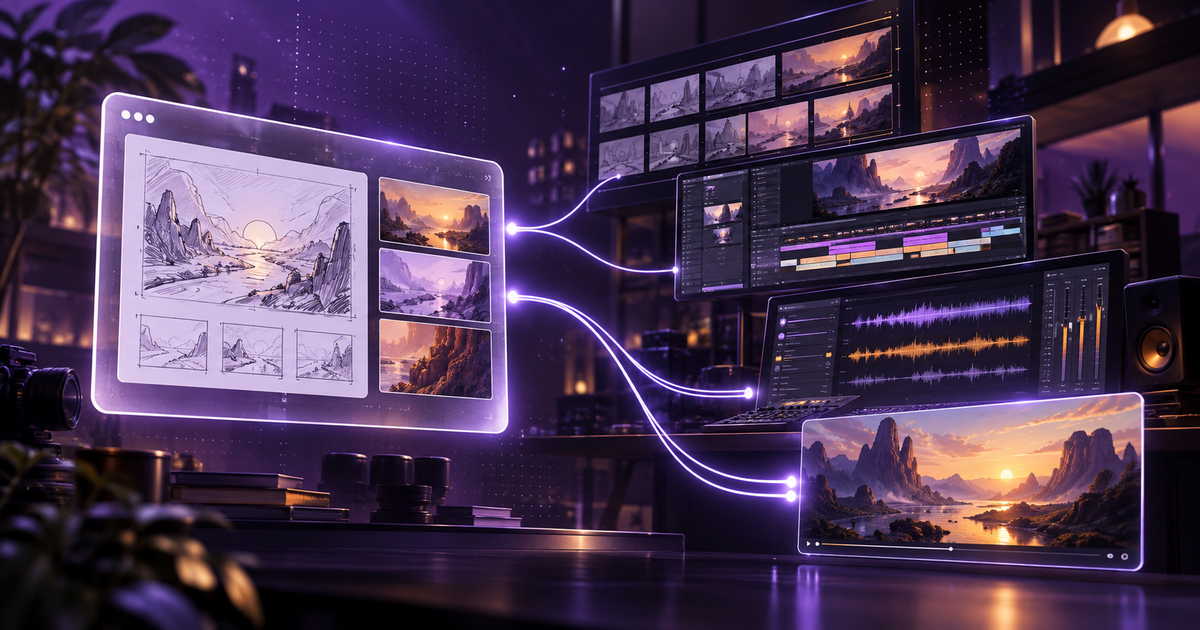
A strong 3D explainer video always starts with a simple story. That story is mapped out before animation begins through storyboards for explainer videos, which lock the narrative and framing before any 3D asset is built. You want to guide people from the problem, to the solution, to the final benefit.
The visuals need to support that story. Clean 3D models, good lighting, solid textures, and smooth camera movement all make a huge difference. When the animation looks polished, people instantly take the message more seriously, and when the style matches your brand, the whole piece feels more trustworthy and cohesive. Like the example of Motion The Agnecy 's project with ScienceLogic above, one video can include multiple products, each with its own distinct branding, but every element still needs to feel connected, consistent, and professionally executed, even when different sections require different visual treatments.
But the truth is, “good” doesn’t have a single definition in 3D. Some brands want ultra-realistic renders, others love whimsical or abstract visuals. Some want the entire video focused on product detail, while others want emotion and brand storytelling woven in. We have our own internal standards for quality, but ultimately the style adapts to what each client actually needs.
Messaging and pacing matter just as much as the visuals. A strong 3D explainer stays focused. It highlights the core idea, avoids cramming too much information into one video, and moves at a pace that feels natural. No matter how beautiful the animation is, the goal of an explainer video is always the same: make the content easy to understand.
What makes 3D so powerful is how it blends accuracy with emotion. You can go fully realistic when you need technical clarity or choose a stylised approach when you want mood, energy, or narrative impact. That flexibility is what makes 3D explainer videos so effective. You get visuals that feel impressive while still explaining your product in a way viewers can quickly understand and remember.
What are the key elements of an effective 3D explainer video?
Just like we mentioned earlier, there’s no single “correct” answer to what makes a 3D explainer video effective. It really depends on the product and what you’re trying to communicate. But to give a bit more perspective, here’s how our Senior 3D Animator, Waladun, explains it:
“Visually, 3D feels more realistic because the added depth makes everything look dimensional. From a product perspective, you can show an item from every angle, helping viewers imagine its size, shape, and function. You can also break down components clearly with zoom-ins — something 2D simply can’t achieve. In 2D, you can illustrate the inside; in 3D, you can enter it and show a much clearer picture.”

So does that mean realism is the reason 3D explainer videos work well? The answer is yes and no. For some products, especially physical ones with lots of components, realistic 3D can be a huge advantage. When you can rotate, zoom in, and break down each part, the explanation becomes clearer and more useful.
But for SaaS products, like our project with ScienceLogic, realism is not always necessary. Sometimes the product needs something more conceptual, abstract, or stylised to communicate the idea effectively. In those cases, 3D is not about making things look real — it is about making complex ideas simple to understand. If you want to see how this plays out in practice, read our guide on effective SaaS explainer videos. We also explored this idea further in our blog on tangible vs intangible products
What makes a 3D SaaS explainer video different?
SaaS products are tricky to explain. You cannot hold them up, point at them, or show someone how they physically feel. What you are selling is usually a workflow, a system, a set of features, or a way of making a process easier, and that can be genuinely hard to visualise.
That is where a SaaS explainer video earns its place. And when you bring 3D into it, you can make abstract ideas feel more tangible. In our experience, 3D explainers tend to make the most sense when the product has a physical, spatial, or technical value that is easier to show than explain. That does not mean 3D cannot work for other types of projects, but we believe it is strongest when depth, movement, and form help the viewer understand the product more clearly.
For SaaS, this does not always mean chasing realism. It might mean using stylised 3D environments to represent a dashboard, abstract shapes to show how data moves through a system, or clean geometry to break down a workflow step by step. Our work with ScienceLogic is a good example of this. Their product covered multiple features, each with its own complexity, so instead of showing everything literally, we used 3D to create a visual language that made each concept feel clear, connected, premium, and easy to follow.
Conclusion
At the end of the day, 3D explainer videos work because they help people understand things quickly and clearly. If you are explaining a complex product, a workflow, or something that is hard to visualise, 3D gives you the freedom to show it in a way that feels intuitive and engaging. It takes everything great about traditional explainer videos and pushes it even further with depth, movement, and clarity you simply cannot get from 2D or live-action alone.
What makes 3D powerful is how flexible it is. Some brands need something realistic and technical. Others want something more stylised, conceptual, or story-driven. There is no one right answer. The best 3D explainer video is the one that helps your audience understand your product in the simplest, clearest way possible.
But no matter the style you choose, the goal stays the same. A strong 3D explainer video should be easy to follow and visually clear, and it should guide the viewer naturally from problem to solution. When the story, visuals, and pacing work together, the result is a video that looks great and actually makes sense to the people watching it.
That is also how we approach our work at Motion The Agency. We focus on clarity, accuracy, and high-quality animation so every 3D explainer video we create feels polished, engaging, and easy to understand. Whether your product needs realism, abstraction, or something right in the middle, our team shapes the style around what works best for your message.
If you want to see how we build 3D explainer videos or browse some examples, feel free to check out our explainer video service page. And if you want to chat about an idea or explore whether 3D is the right fit for your next video, you can always book a quick call with our team. We would love to help you out and point you in the right direction.
FAQ

Syarafina Kuswahyuni
Syarafina Kuswahyuni is a content marketer at Motion The Agency, where she covers explainer video production, motion design trends, and video marketing strategy for SaaS brands. She has worked alongside Motion's animation team on projects for clients including ClickUp, Apollo.io, and HackerRank


Waladun Sabiq
As Senior 3D Animator, Waladun combines expert 3D product and UI animation with solid 2D craft. His visual insight and precision produce polished, impactful work

Bramuda
Bramuda is a creative strategist at Motion The Agency, where he writes compelling blog posts that support and expand upon the agency's video projects for SaaS brands. He works alongside animation team to create cohesive content campaigns for clients including Kuberno, Primer, and Dext.
In just a few questions, get a tailored estimate for your next video project.

Related articles



Contact Us
Ready to elevate your brand? Contact us for your
Free Custom Video Sample