What Makes a Great Onboarding Video? Examples, Best Practices, and What to Include
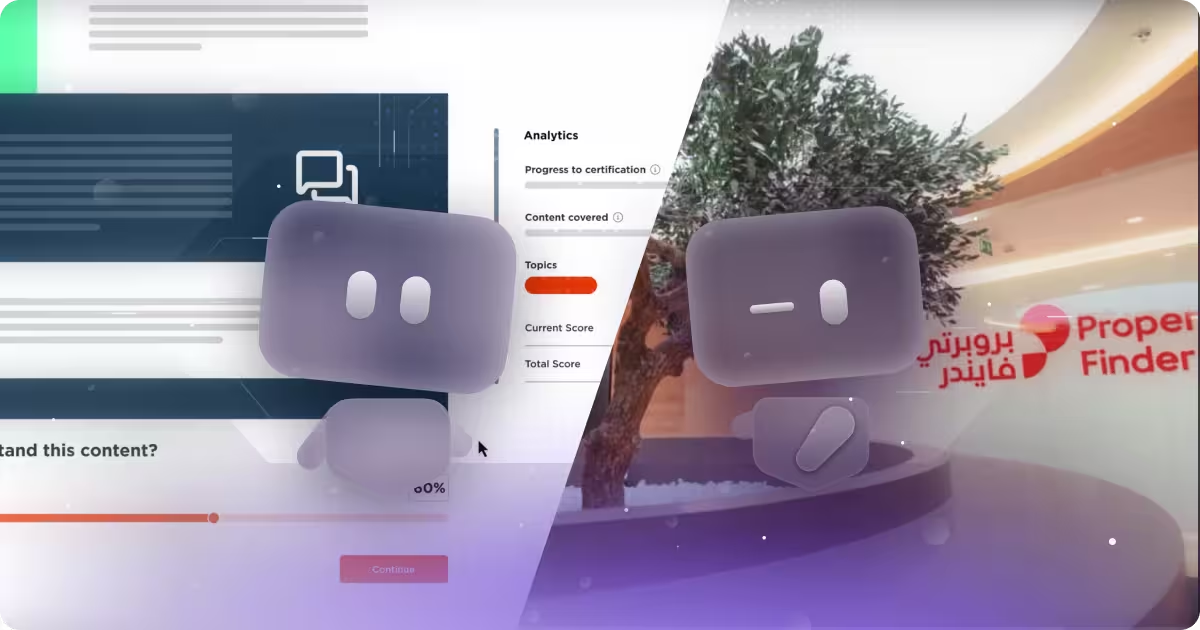
table of content
Key takeaways
- Onboarding videos help with better retention, saving time and resources, and scalability.
- Great onboarding videos are authentic, culture-driven, and people-focused, making it easy for the audience to relate and connect with the content.
- Things that should be included in an onboarding video:
- Overview of the company and its values
- Team introductions
- Benefits and growth opportunities
- For educational or company culture videos, a 3–6 minute duration is the sweet spot.
What is an onboarding video
Anyone who’s worked at a company has probably gone through the onboarding process. And let’s be honest, it’s not always the most pleasant experience. Not because the information isn’t important, or because we’re not excited to start a new job, but often time it's due to the amount of information gets dumped on you all at once. And of course, it can be overwhelming.
That's exactly why more companies are turning to onboarding videos. A well-made onboarding video does more than deliver information, it helps new hires feel genuinely welcomed, aligned with the culture, and ready to contribute from day one, without the information overload that comes with back-to-back meetings and stacks of documents.
We've had a growing number of clients reach out specifically about this. Interestingly, great employee onboarding video isn't just about the first week. Companies use them to introduce culture and values, share welcome messages from leadership, explain benefits and policies, and give new starters a real feel for what working there looks like day to day.
In this article, we're focusing on onboarding video for new employees, what makes it work, what to include, how long it should be, and real examples you can learn from.
Why every company needs an onboarding video
Most people don't remember what they read on their first day. They remember how they felt. That's the core idea for onboarding videos, they make the process clearer and more engaging.
Here's why they work so well for new hires:
- Better retention: People remember what they see and hear more than what they read in a document.
- Saves time and resources: No need for endless meetings or back-and-forth with HR.
- Scalable: Works great for remote teams and businesses of all sizes.
- Boosts confidence: New hires walk in feeling prepared and connected since day one.
Onboarding videos are a game-changer for remote teams, helping them feel like part of the company, even from afar. In fact, research from the Natural Sciences and Engineering Research Council of Canada (NSERC) shows that using infographic and animated videos helps keep the audience engaged for longer periods during online learning or training, including onboarding sessions.
Onboarding video examples worth learning from
There's no single right template for what an onboarding video should look like. Some lead with culture, some with leadership, some with live-action footage, and some with animation. The onboarding video examples below span all of those approaches. Onboarding videos are often made for internal use only, and while these examples are excellent, they tend to be similar to one another since not many companies publicly share their onboarding videos.
Now that that’s out of the way, let’s get started.
1. Google intern’s first week
What makes this Google's intern onboarding video stand out isn't the budget, it's the structure. It follows real people through real moments, giving the newcomers a genuine and real life picture of how the teams collaborate and what daily work actually looks like.
Not only that the narrative is warm, personal, and human, it's also deliberate: every scene is made carefully and thoughtfully to reduce anxiety and build excitement. It showcases to the new hires Google's inclusive and innovative environment, making them feel welcomed and eager to be part of the team.
The key lesson from this type of onboarding video is that showing is way more effective than telling. Instead of listing all the company values that Google uphold, the video demonstrates them in action.
2. Property Finder: Corporate Wellness
This is one of our own projects, and it's a very good example of how you don't need a traditional talking-head format to make an onboarding video work. For Property Finder, we combined client-provided footage with our motion design to create something that explains clearly how the company operates and communicates its culture without anyone talking directly in front of the camera.
The result is an onboarding video that feels dynamic and visually engaging while still delivering all the key informations clearly. It's also a good case study on how animation makes content easier to update. When company's policies or benefits change, you won't need to prepare for a reshoot, as you can just adjust the motion elements.
3. Zendesk - This is Zendesk
Zendesk’s onboarding video is a great example of how simple visuals and a friendly tone can effectively communicate company culture. What makes this video stand out is its versatility. It works well both as an onboarding video and a recruitment video. It combines stylized animated UI elements with real-life footage, giving viewers a clear look at the company’s operations and values.
The video uses a voiceover to guide the narrative, making the content feel personal and approachable. This blend of animation and live-action not only makes the video visually engaging but also enhances the delivery of key information about Zendesk’s culture, work environment, and what new hires or potential recruits can expect when joining the team. The friendly and straightforward approach helps to create a welcoming atmosphere, making it easy for viewers to connect with the company’s mission and values.
4. Intuit-Intuit’s Journey
Intuit’s onboarding video stands out with its CEO-led welcome message that not only builds trust but also inspires motivation. The video takes viewers through the journey of Intuit’s founder, explaining why the company was created in the first place. This narrative approach gives a personal touch to the story, showing how Intuit's values, culture, and work ethic were shaped from its beginnings.
By focusing on one individual and weaving the story into a clear, flowing narrative, the video makes complex information easy to follow. Viewers can connect with the message on a deeper level without feeling overwhelmed. The storytelling style makes it approachable, allowing new hires to understand the company’s mission, vision, and what it truly means to be part of Intuit’s team.
The common thread? Each video is authentic, culture-driven, and people-focused, making it easy for audience to relate and connect with the content.
Onboarding video best practices: what to include and why it matters

An onboarding video is never simply a welcoming presentation to the new hires. Though that is partially correct, the core of onboarding video is actually to help them feel excited, informed, and ready to dive in. Here's a quick checklist of what has to be in your onboarding video to make sure it's both effective and engaging:
Overview of the company and values
Start by showing the why. Why this company exists and how that shows up in the work. What problem are you solving? What does success look like? And most importantly, how does this new person's role connect to the bigger picture? When new starters can easily see where they fit, they get motivated instantly. That's the big difference of an employee onboarding video that checks a box and one that actually builds commitment from day one.
Team introductions
You don't want someone's first real conversation with a colleague to feel like meeting a stranger, right? Well, the onboarding welcome video can fix that before anyone walks through the door. Introduce key team members, not just the CEO. Show the people they'll actually work alongside. Even short, informal clips of colleagues talking about their roles and what they enjoy about the work go a long way. It humanises the company, breaks the ice before day one, and signals that this is a place where people matter, not just output. If a full team introduction isn't feasible, at minimum, have leadership deliver a genuine, personal welcome.
Benefits and growth opportunities
This part of the onboarding video is more important than most companies realise. New hires are still making decisions in their first few weeks (consciously or not) about whether this was the right move. Showing them what's available (such as health cover, flexible working, learning budgets, progression paths) is very reassuring. It tells them this company has thought about them as a whole person, not just a role to fill. And make sure that you're being very specific here. "Growth opportunities" means nothing, but "We run 200 reviews quarterly and promote from within wherever possible" means everything.
A solid onboarding video that hits all these points not only helps new hires feel welcomed but also gives them the clarity they need to succeed. It sets the stage for their journey with your company, making them feel part of the team from day one and ready to hit the ground running.
How long should an onboarding video be?
When it comes to onboarding videos, you want to keep your new hires engaged, right? The length of the video plays a big part in that. According to data from Wistia and other industry sources, here’s what you should keep in mind:
- How-to videos have the best retention, with viewers watching 82% of a video that's under one minute.
- For educational or company culture videos, 3–6 minutes is the sweet spot. It gives you enough time to cover important details without losing attention.
Before you jump into creating your onboarding video, ask yourself:
- What do my viewers really need to know?
- How can I make this information clear and engaging without dragging it out?
By keeping these questions in mind, you’ll create a video that’s both informative and fun to watch and you won’t lose your audience halfway through!
If you're also working out the right format for your video, our guide on what shorter attention spans mean for 2D animation covers length decisions across different video types, worth a read if you're deciding between formats.
How we approach onboarding video production at Motion the Agency?
Yes, we’ve worked on plenty of corporate video projects, from training to recruitment and even onboarding videos. For example, with one of our subscription clients, Obrizum, we created onboarding videos not just for them, but also for their clients. For Property Finder, we delivered multiple onboarding videos over the course of our partnership, combining live-action footage with motion design to keep things visually engaging without needing constant reshoots.
We’re firm believers that to effectively communicate with the target audience, it’s important to simplify big ideas and key information. That’s exactly what we aim to do with our onboarding videos, making complex ideas easier to digest and more engaging.
Our approach may differ from some of the examples we’ve shared, as we combine motion design and human elements to make the information clearer and more engaging. With the animated aspects of our onboarding videos, it’s also easier for clients to repurpose or update the content in the future, keeping it fresh and relevant. Feel free to check out our corporate video service page to see how we can help you create impactful videos for your team.
If your company is interested in creating an onboarding video with us, book a call now and get your free onboarding video sample!
FAQ

Syarafina Kuswahyuni
Syarafina Kuswahyuni is a content marketer at Motion The Agency, where she covers explainer video production, motion design trends, and video marketing strategy for SaaS brands. She has worked alongside Motion's animation team on projects for clients including ClickUp, Apollo.io, and HackerRank


Bramuda
Bramuda is a creative strategist at Motion The Agency, where he writes compelling blog posts that support and expand upon the agency's video projects for SaaS brands. He works alongside animation team to create cohesive content campaigns for clients including Kuberno, Primer, and Dext.
In just a few questions, get a tailored estimate for your next video project.





Contact Us
Ready to elevate your brand? Contact us for your
Free Custom Video Sample